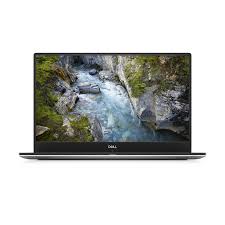
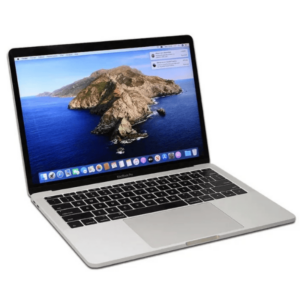
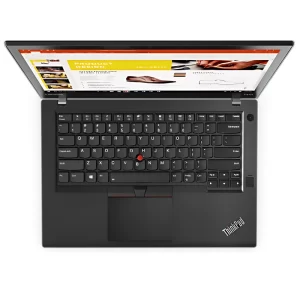
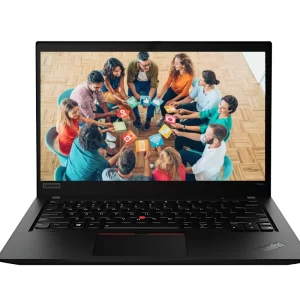
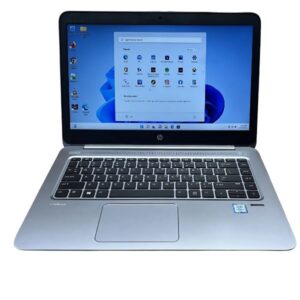
One of the biggest hidden costs of buying a laptop in Kenya is ending up with fake or refurbished parts disguised as brand new. Walk around Nairobi CBD or scroll through Jiji, and you’ll see “new” laptops everywhere. But many of those machines are built with recycled batteries, fake SSDs, or chargers that aren’t genuine.
The trap here is deadly for your pocket. That laptop may work fine for the first month, but then the battery stops holding charge, the fan gets noisy, or the charger blows up your socket. Now you’re forced to buy replacements which can cost anywhere between KSh 3,000 to KSh 10,000 depending on the part. Add the stress of repairs, downtime, and running back to unreliable sellers, and suddenly your “cheap” laptop isn’t so cheap anymore.
To avoid this hidden cost, always test your laptop on the spot. Check the battery health, confirm the charger is genuine, and ask if the storage is SSD or HDD. Insist on opening the system properties to confirm the real specs don’t just trust the sticker on the laptop. And most importantly, buy from trusted shops that offer real receipts and warranties, not street vendors with a “bro, hii laptop ni legit” guarantee.
The Risk of Fake or Refurbished Parts in Kenya’s Laptop Market
Walk into Nairobi CBD and you’ll see rows of laptops that look brand new shiny screens, fresh keyboards, the whole vibe. But here’s the truth most buyers find out too late: a lot of these laptops come with fake or refurbished parts. Sellers swap in recycled batteries, generic chargers, or second-hand hard drives, then package them as “brand new.” You ask yourself why is Kenya’s laptop market so updated?
The shock comes a few weeks later when the battery barely lasts 45 minutes, the charger starts sparking, or the hard drive makes strange noises. Suddenly, you’re spending thousands more replacing parts that should have lasted years.
To avoid this trap, always test the basics before you buy. Check battery health, confirm that the charger is original, and don’t be afraid to ask the seller to power it up in front of you. A trusted dealer won’t mind you double-checking a shady one will.
Why Cheap Specs Turn Your Laptop Slow Fast
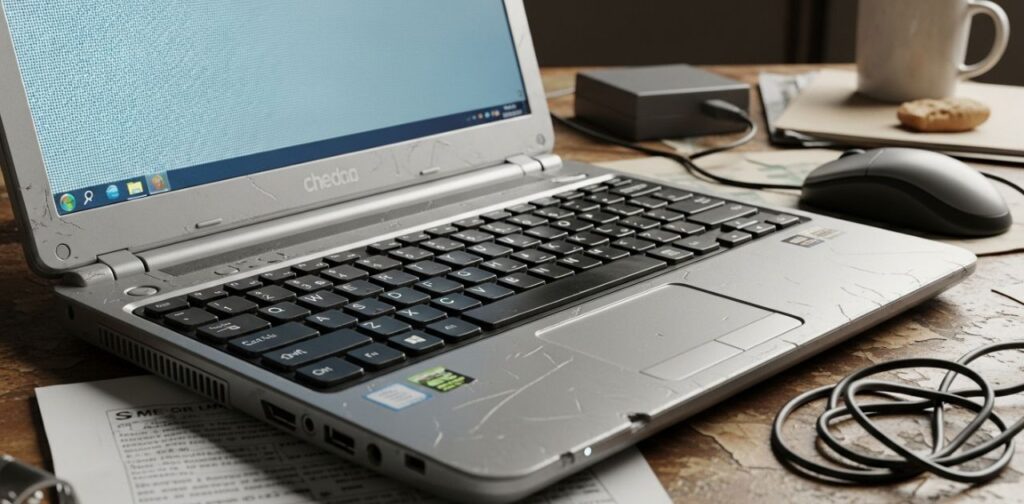
Many Kenyan buyers get lured by the label on the sticker: “Core i5” or “Core i7.” It feels like a great deal, but the hidden catch is usually in the specs. A laptop with only 4GB of RAM, an old HDD (hard disk drive), or an outdated processor might run fine at first. But give it six months suddenly it’s freezing, taking ages to boot, and making even simple tasks like Zoom calls frustrating.
This is one of the biggest reasons laptops in Kenya slow down so quickly. And the “fix” isn’t cheap you’ll either pay for an SSD upgrade and extra RAM, or you’ll be stuck with a sluggish machine that wastes your time daily.
If you want smooth performance in 2025, don’t settle for the bare minimum. Look for at least 8GB RAM and make sure it comes with an SSD. Yes, you’ll pay a bit more upfront, but you’ll save yourself endless headaches (and expensive upgrades) later.
The Truth About Laptop Warranties in Kenya
Here’s a common story: you buy a laptop, the seller hands you a warranty card, and you walk away feeling safe. Fast-forward a few months the screen flickers, or the keyboard stops working. You take it back, and the seller shrugs: “That warranty doesn’t cover this, boss.”
This happens because many of the warranties in Kenya are either fake, expired, or “shop warranties” that only last two weeks. By the time something serious happens, you’re left footing the repair bill yourself which can cost almost as much as the laptop.
The only real protection is a manufacturer’s warranty, usually valid for at least one year and recognized at official service centers. Before paying, check the brand’s website (HP, Dell, Lenovo, etc.) to confirm the warranty is real. And if the seller can’t explain how it works, take that as a red flag.
How Middlemen Hike Laptop Prices in Kenya
Another hidden cost sits quietly in the middle of the supply chain: middlemen. In places like Nairobi CBD or on sites like Jiji, many laptops are sold by brokers, not direct dealers. They buy stock cheaply, then add an extra KSh 5,000–10,000 markup for themselves.
The painful part? You don’t get any added value for that extra money no better warranty, no higher specs, nothing. Just the same laptop at a higher price. And if something goes wrong later, the broker usually disappears, leaving you stranded.
To avoid this, always compare prices before buying. Check Jumia, Kilimall, or official brand stores to see what the laptop should actually cost. If one seller is charging way more than the rest, you know you’re paying the middleman tax. Stick to reputable shops with transparent pricing — you’ll save both money and stress.
Battery Life Lies That Leave You Chained to the Charger
If you’ve ever bought a “brand new” laptop in Kenya and noticed it only lasts an hour off the charger, you’re not alone. One of the most common tricks sellers use is inflating or outright lying about battery life. You’ll be told it lasts “6–8 hours,” but in reality, the battery is either second-hand, poorly calibrated, or already worn out from previous use.
The result? Instead of enjoying the freedom of a portable computer, you end up tethered to a socket everywhere you go in class, in the office, even at a café. Worse still, constantly running on charge shortens the battery’s lifespan even further, which means within months you’re looking at a pricey replacement.
Here’s the smart move: before you pay, always ask the seller to power the laptop and let you check the battery health report. On Windows, you can do this with a simple command (powercfg /batteryreport). On macOS, you can check battery cycle counts. A genuine dealer won’t hide this information. Also, stick to models that have strong reputations for battery endurance, like ultrabooks with 50Wh+ batteries or modern Ryzen/Intel U-series processors.
That extra 30 minutes of checking could save you thousands of shillings (and hours of frustration) later.
The Hidden Cost of Upgrades and Accessories
When most people in Kenya budget for a laptop, they focus only on the sticker price. But here’s the catch: the real cost of ownership almost always ends up higher because of upgrades and accessories.
Take this example: you buy a “budget” laptop for 35K, only to realize it has just 4GB of RAM and a traditional HDD. Within months, it slows down and you’re forced to upgrade. Adding an SSD and more RAM can cost another 10K–15K. Suddenly, that “cheap” laptop is competing in price with one that already came with better specs but without the hassle.
And it doesn’t stop there. Accessories like laptop bags, cooling pads, external drives, or even a genuine mouse add up quickly. Many sellers throw in generic freebies that don’t last, so you end up replacing them with better ones later.
The smarter approach is to budget for the full package upfront. Don’t just ask, “How much is the laptop?” Ask yourself, “What will I need to spend in the next six months to make this laptop fully usable?” Sometimes paying a little more upfront for a well-specced machine saves you thousands in “hidden” extras.
After-Sales Support and Repair Costs Nobody Tells You About
Buying a laptop doesn’t end at the counter and this is where many Kenyans get caught off guard. After-sales support is one of the biggest hidden costs, yet it’s rarely discussed until things go wrong.
Here’s the reality: when your laptop develops a fault, where do you take it? Many shops in Nairobi CBD (and other towns) don’t have certified technicians. Instead, they send you to third-party fundis who may or may not know what they’re doing. Repairs are often done with second-hand parts, and in some cases, a “fix” ends up creating more problems than it solves.
The worst part? You’re paying for these repairs out of pocket. A screen replacement can cost KSh 10,000–20,000. A motherboard issue? That could be almost the price of a new laptop. And since many sellers only give a one-week “shop warranty,” you’re left stranded once that period lapses.
The solution is to buy from a dealer that has a clear after-sales policy. Ask them:
- Do you have an in-house technician or official service center?
- If something goes wrong, how long will repairs take?
- Are genuine replacement parts available locally?
A seller who dodges these questions is waving a red flag. Paying a little more for a laptop from an official reseller (HP, Dell, Lenovo, Asus, etc.) often means you’ll get access to reliable service centers and original parts — which saves you money and headaches in the long run.
The Long-Term Cost of a Bad Laptop
At first glance, a laptop that costs KSh 25,000 instead of KSh 45,000 feels like a win. But the truth is, a poorly chosen laptop almost always ends up costing more over its lifetime not just in money, but in lost time and productivity.
Think about it: a slow machine means you spend 10 minutes waiting for it to boot, another 5 minutes waiting for Chrome to load, and constant freezes during Zoom calls or school assignments. Add that up over weeks and months, and you’ve wasted hours that could have gone into actual work. For freelancers and business owners, that wasted time often translates into lost income.
Then there’s the repair cycle. Cheaper laptops with weak specs or fake parts fail more often, which means repeated trips to repair shops. Every repair costs money, and every day without your laptop costs even more in opportunities lost. By the time you’ve “fixed” it two or three times, you could have bought a higher-quality laptop that would’ve lasted longer and run smoother.
In the Kenyan market, where laptops are an investment in education, business, and side hustles, the long-term cost of a bad purchase is more than financial it’s the frustration, delays, and missed chances that hold you back.
The bottom line: cheap is expensive when it comes to laptops.
How to Avoid the Hidden Costs of Buying a Laptop in Kenya
The good news? Once you know the traps, it’s possible to sidestep them and get a machine that truly serves you for years. Here are the smart moves every Kenyan buyer should keep in mind:
1. Buy from Reputable Dealers
Avoid random stalls or middlemen in Nairobi CBD who promise “too good to be true” deals. Stick to official stores, authorized dealers, or established shops that can prove authenticity and warranty coverage.
2. Check the Specs, Not Just the Labels
Don’t be fooled by the “Core i5/i7” sticker alone. Look for at least 8GB RAM and an SSD — these two upgrades alone make the biggest difference in speed and usability.
3. Verify Battery Health and Warranty
Before paying, check the battery report and confirm that the warranty is manufacturer-backed, not just a flimsy shop slip. A valid warranty should work at authorized service centers, not just the store you bought it from.
4. Budget for the Whole Package
Account for accessories (bag, mouse, cooling pad) and potential upgrades when calculating the cost. Often, paying a little more upfront for a laptop that’s already well-specced is cheaper than buying “cheap” and upgrading later.
5. Ask About After-Sales Support
A good dealer should offer clear after-sales support and guidance on repairs. If they dodge your questions, walk away.
Final Word
Laptops in Kenya aren’t just gadgets they’re tools for work, school, and growth. But the hidden costs of buying a laptop from fake parts to inflated prices, weak warranties, poor after-sales, and endless repairs can quietly drain your wallet and your time.
The best investment you can make is not just buying a laptop, but buying right. When you know what to look out for, you don’t just save money you save yourself years of frustration.
So the next time you’re tempted by a “deal” in the CBD, remember: the real cost of a laptop isn’t on the price tag it’s in how long it will actually serve you. Looking for a good laptop today, safe and reliable, get it from our shop today
Frequently Asked Questions
What are the hidden costs of buying a laptop in Kenya?
The hidden costs include fake or refurbished parts, inflated prices from middlemen, weak warranties, frequent repair expenses, battery issues, and the need for costly upgrades or accessories.
How do I avoid hidden costs when buying a laptop in Kenya?
Buy from reputable dealers, check battery health, confirm warranty validity, choose laptops with SSD + 8GB RAM, and budget for accessories upfront.
Is it cheaper to buy a laptop in Nairobi CBD?
Not always. While prices may seem lower, many laptops are refurbished or come with short shop warranties. In the long run, this often makes them more expensive.
What’s the best laptop for students in Kenya?
Students should look for laptops with at least 8GB RAM, SSD storage, and good battery life. Reliable brands include HP, Dell, Lenovo, and Asus, purchased from authorized resellers.